

Personal project: LOOK UP BCN!
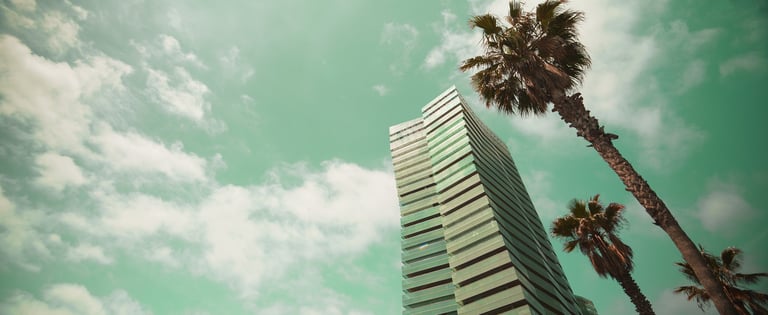
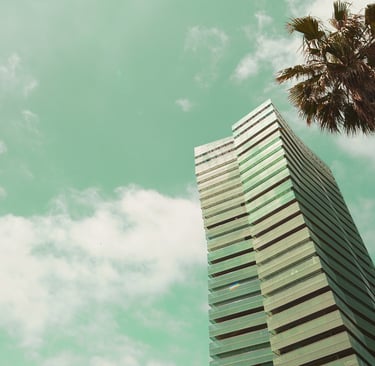
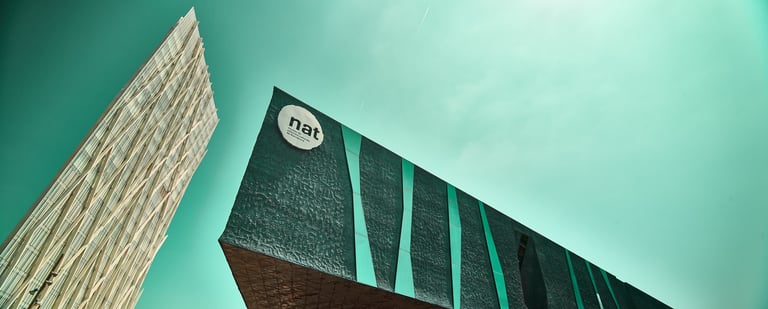
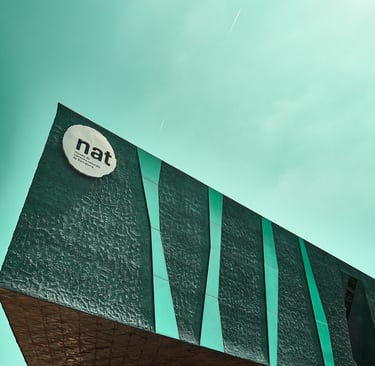
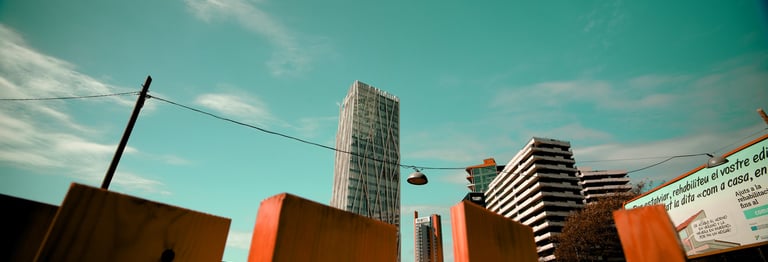
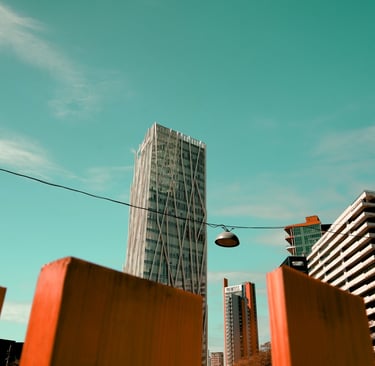
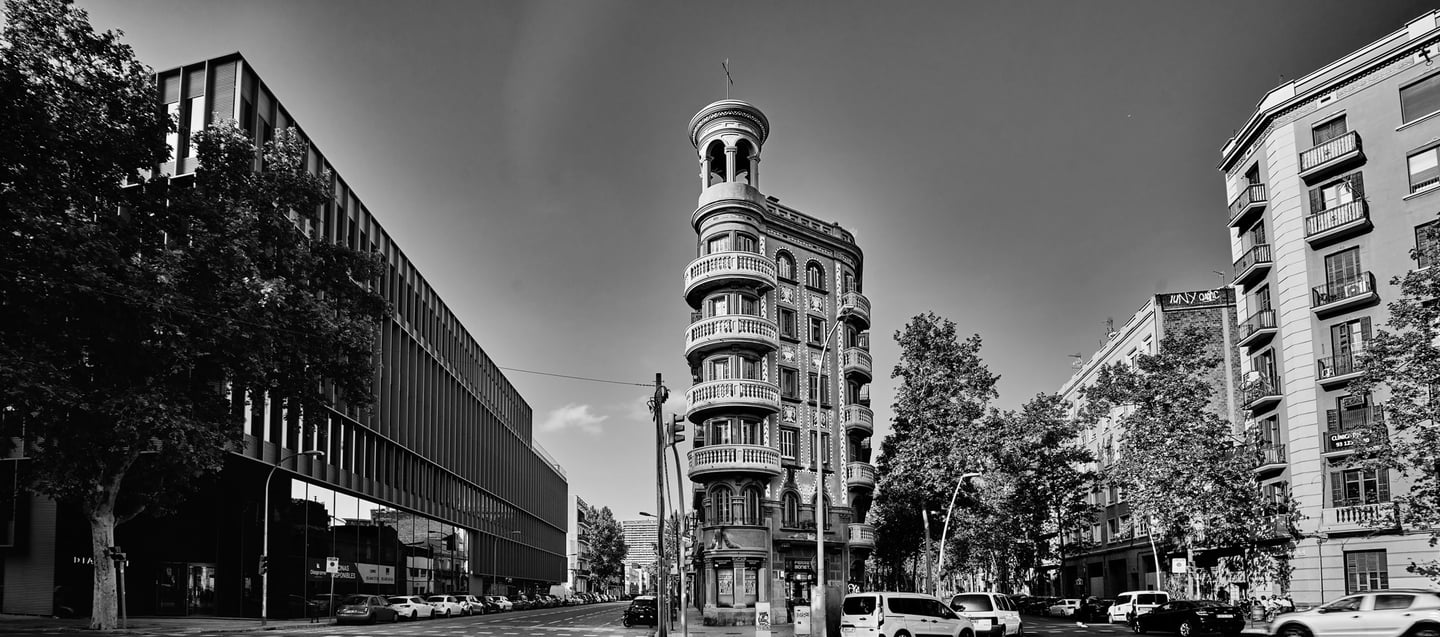
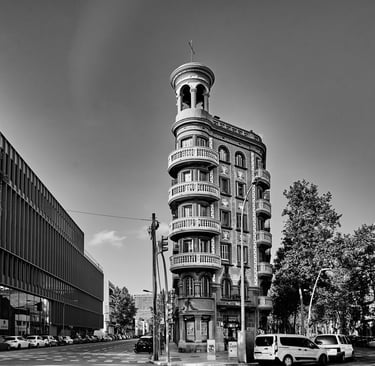
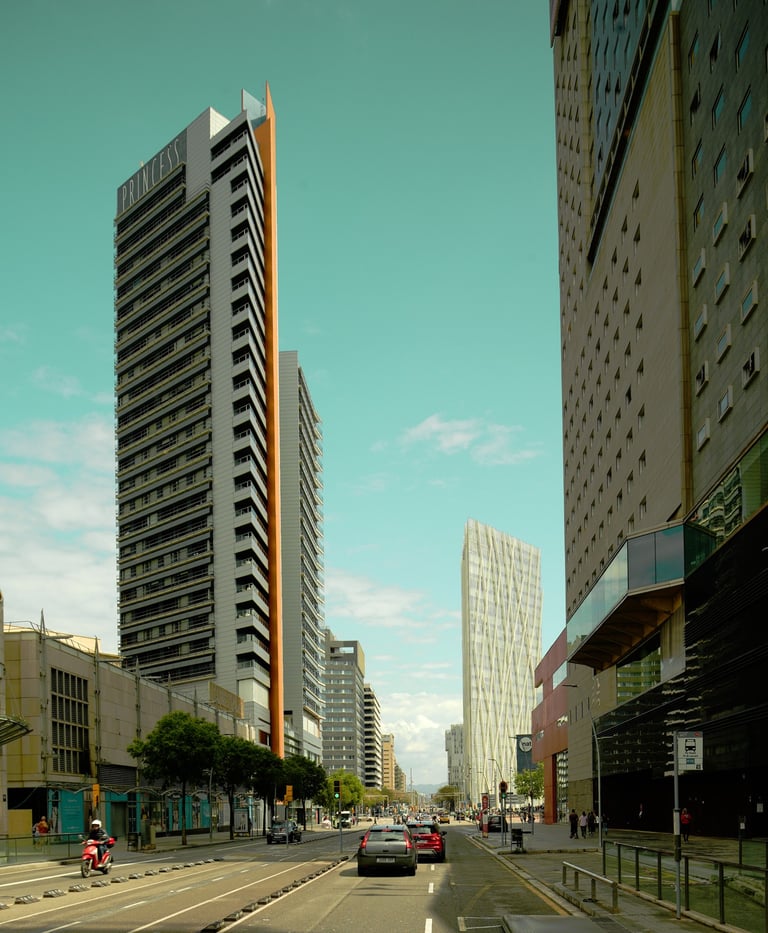
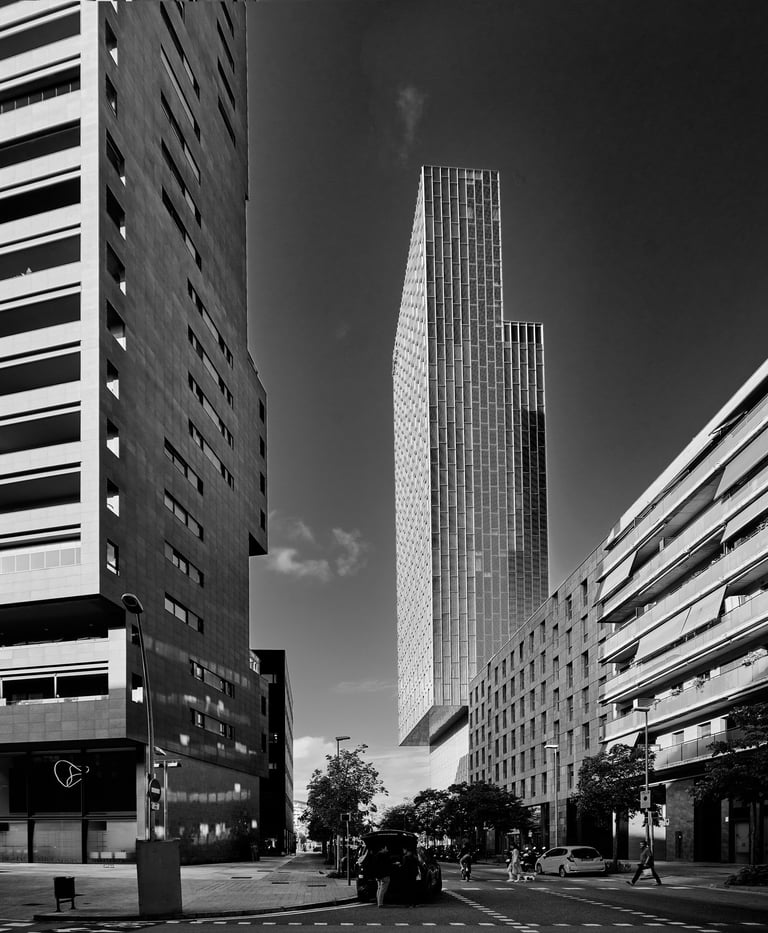
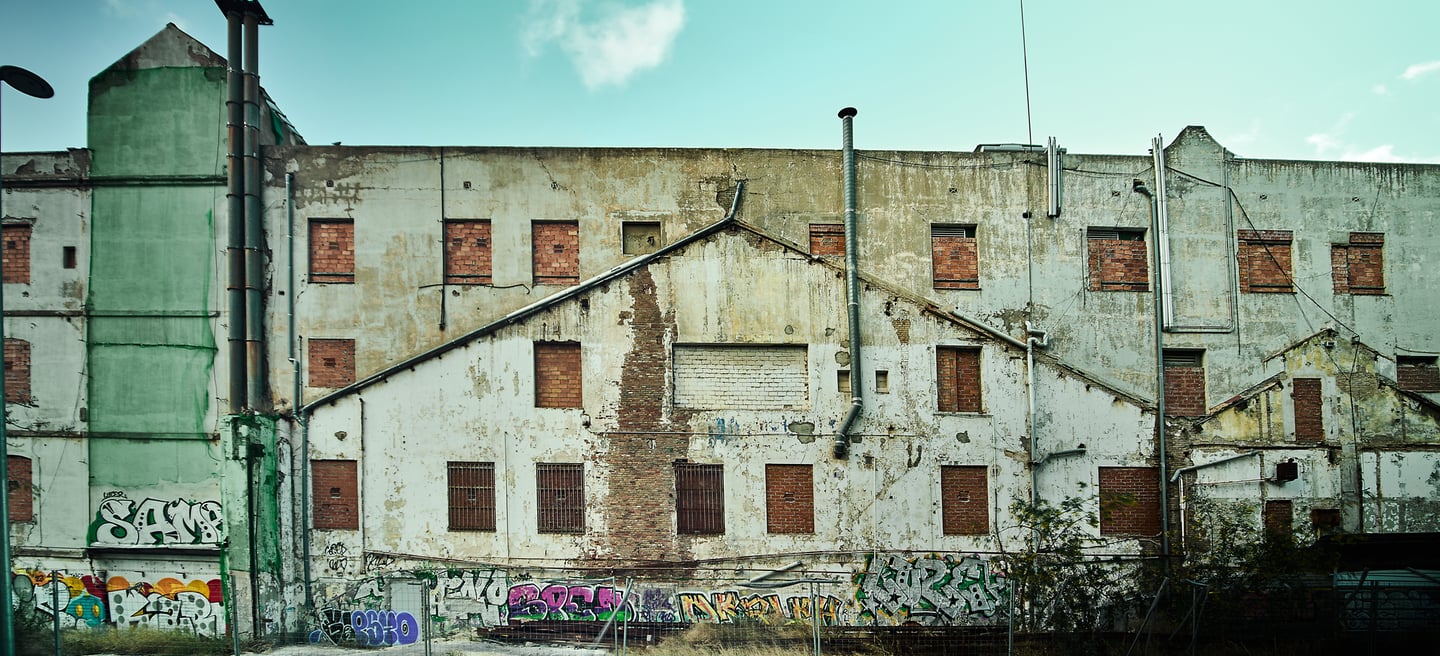
We live in an age of dystopias, and these snapshots are no exception. The city rises here like a totem in our memory. Buildings act as gravestones, and the photographs become the epitaph — an in memoriam that tells us that, despite everything, we weren’t such bad people if we were capable of planting this ordered garden: the urban fabric, a conglomerate of time and desire we share.
The three-dimensional blocks of the buildings appear here as tilted stains that defy the laws of physics. Lines converge toward the same vanishing point on the visible horizon. A skyscraper pairs with a palm tree in this festive dance — where the giants of the air coexist with the big-headed figures of the ground — and everything will end with the fireworks of light, engraving solitary dreams.
Joan Manel Amigó does not copy reality: he waters it with camera clicks, and it grows on the paper, framed by the sky.
Quim Noguero
Some people end their sentences with a “you know what I mean?”, while others offer you the elegance of “I don’t know if I’m explaining myself.” Some move through the world looking at everything up and down, as if granting it permission to exist — the best way not to understand things and, therefore, not to face them, if they frighten you. And then there are the brave ones: those who engage with everything, admire everything, and lift their eyes to the sky, feeling small — yet happy to have been invited to dance.
Joan Manel Amigó belongs to the kind who aren’t sure they’re making themselves understood, and that is precisely why they do it wonderfully well. He is also one of those who embraces everything — in a friendly and humble way, patient and generous. There is no better attitude when one holds a camera with respect.
To photograph is, then, to decode the secret of the world’s black box with the light of development. The shapes of buildings follow one another like flowers in their pots, and from the untamed jungle of the metropolis, the photographer who truly listens draws out a domestic garden — a civic lesson.
“The cynical are no use in this profession,” said the Polish master of reportage Ryszard Kapuściński. You have to care about others if you want to give them a voice. You have to care about the world, to listen to it — through the camera’s earpiece — and to record it with the measured, compass-like lines of the lens.
In Joan Manel Amigó’s photographs, the street feels like a temple waiting for us. Everything is ready for the ceremony. A camel will pass through the eye of a needle before a fool enters the kingdom of truth — and yet, through the friendly generosity of this light revealed on paper, we all feel a little wiser. The kingdom of light in photography enlightens us.
This is the spirit that animates the anthill of brick, cement, glass, and steel in the modern city: the blend of the new that thrills and the old that enchants; the multitude of time recorded on a peeling wall; the contrast between dark asphalt and the bright white of walls — and of gazes.
Joan Manel does not copy reality: he sets it right with camera clicks, and that is why the sky frames his work.
Quim Noguero
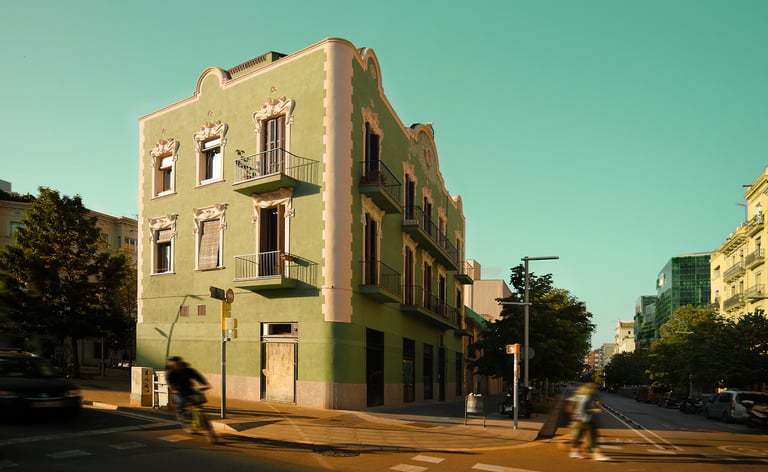
A neighbourhood is a gathering of houses — loaves of bread rising toward the sky — a fold of blocks, the shared garment of its neighbours, complex forms that grow in the gaze that loves them. In these photographs, the city looks like a cluster of planters cut out against the blue of the air: abandoned dollhouses, fossil forests in shades of grey, stalagmites of cement, steel and glass, growing beneath time’s calcified drip.
The passing of the day settles over it like a rain of ash, and the photographs bear witness. People appear only faintly, half-absent — mere distant traces, small as ants or as elusive as the shadow of a butterfly about to vanish in the frozen motion of the asphalt.
Fleming digital media
Contact: 620 57 43 49
mail: fleming062@gmail.com